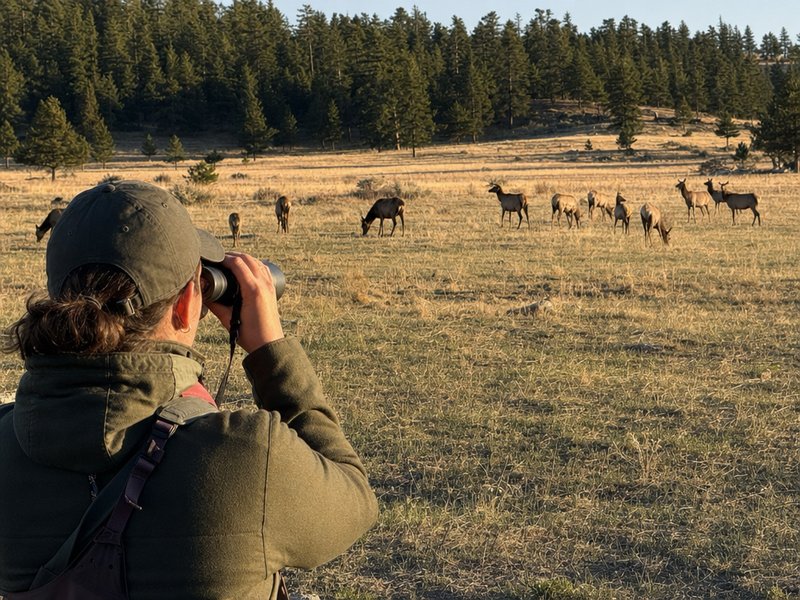
Population Ecology
How populations grow, stabilise, and crash — and the mathematical models scientists use to predict them.
Read more →Clear, evidence-based coverage of the living world — from species diversity and population dynamics to global conservation hotspots and the pressures pushing wildlife toward extinction.
Mehr zum Thema Slots PayPal lesen Sie in einem Beitrag der Berliner Morgenpost.
How populations grow, stabilise, and crash — and the mathematical models scientists use to predict them.
Read more →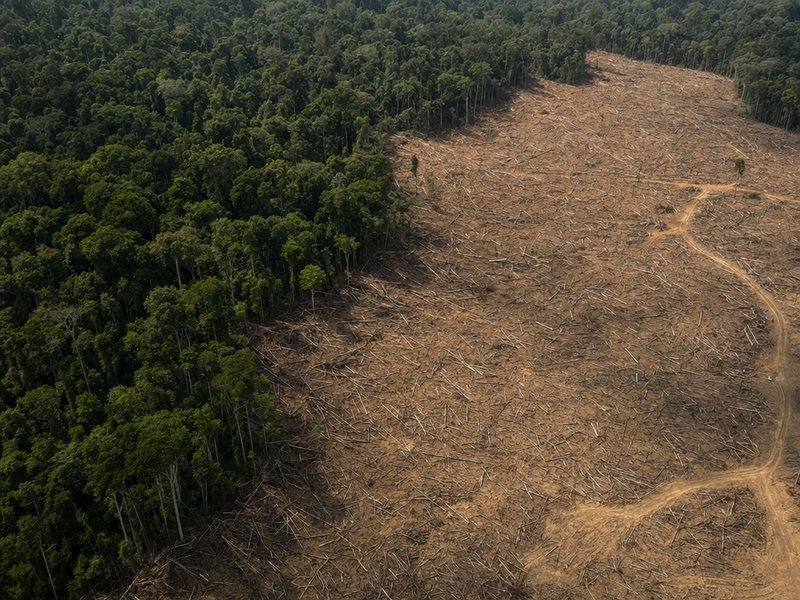
Habitat loss, invasive species, pollution and climate change — the six drivers behind the sixth mass extinction.
Read more →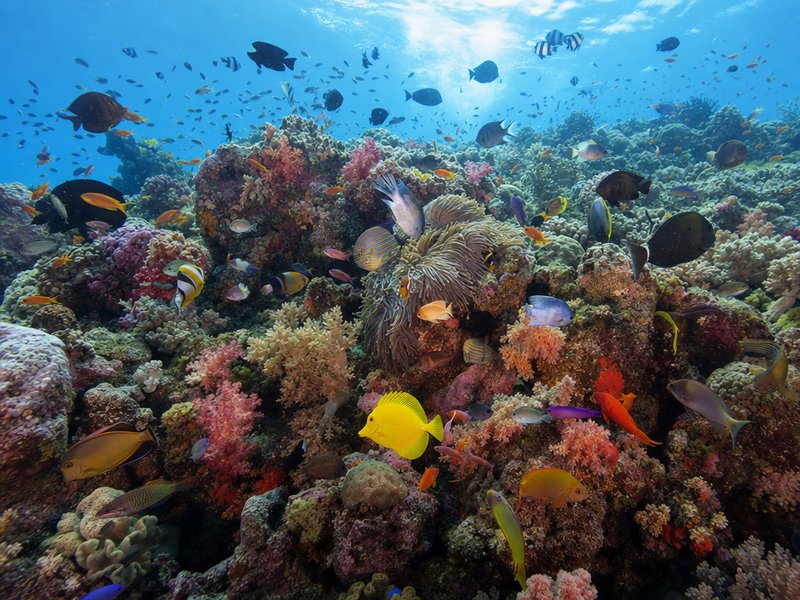
Genetic, species and ecosystem diversity — three distinct levels scientists measure to assess the health of the living world.
Read more →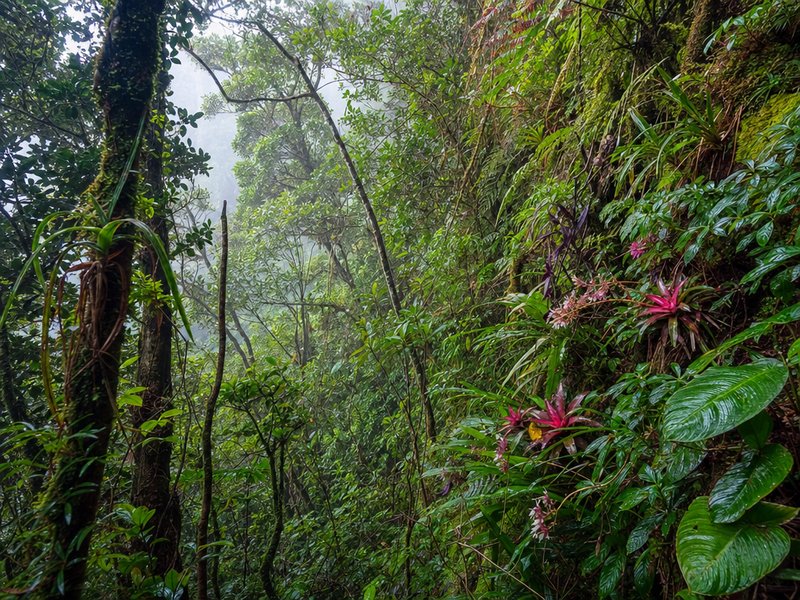
Thirty-six regions hold half of all endemic species on just 2.5% of Earth's land — why they matter and where they are.
Read more →Ecological Niche Modelling and biodiversity data workflows — tools and methods for species distribution research.
Read more →
Featured Topic
Population ecology uses mathematical models — from exponential growth to logistic carrying-capacity curves — to explain why populations grow, stabilise, or collapse. Understanding these dynamics is fundamental to conservation planning and wildlife management.
Read the Guide →BioVeL is an independent biodiversity science reference covering ecology, conservation biology, and environmental research. Coverage spans foundational topics — species diversity, population dynamics, habitat ecology — as well as research methods including species distribution modelling and ecological workflow design. All content is written for students, researchers, and science-curious readers who need accurate, well-structured explanations of complex biological concepts.
Biodiversity refers to the variety of life on Earth at every level — genetic variation within species, the number and evenness of species in a community, and the range of ecosystems across a landscape. It matters because biological diversity underpins ecosystem functioning: nutrient cycling, pollination, water purification, climate regulation, and food production all depend on a rich variety of interacting species. The IPBES 2019 Global Assessment estimated that nature provides services worth USD 125 trillion per year to the global economy — all of which rely on biodiversity.
Scientists recognise three primary types: genetic diversity (variation in DNA among individuals within a species), species diversity (the variety and relative abundance of species in a community, measured by indices such as Shannon-Wiener H'), and ecosystem diversity (the range of habitats, biotic communities, and ecological processes in a region). Each level is interconnected — low genetic diversity often precedes local species extinction, which in turn erodes ecosystem diversity.
Habitat loss and degradation is consistently identified as the single largest driver of biodiversity decline, affecting more than 85% of all species listed as threatened on the IUCN Red List. Habitat loss is most acute in tropical forests and freshwater systems, where agricultural expansion, urban sprawl, and infrastructure development convert or fragment native habitats faster than species can adapt or relocate. Climate change is an accelerating second threat, particularly for polar, alpine, and marine species.
Conservation International currently recognises 36 biodiversity hotspots worldwide. A region qualifies under two strict criteria: it must contain at least 1,500 endemic vascular plant species (species found nowhere else), and it must have already lost at least 70% of its original primary vegetation. Together, these 36 regions cover roughly 2.5% of Earth's land surface yet support more than 43% of all bird, mammal, reptile, and amphibian species as endemics, making them conservation priorities of global importance.
Population ecology provides the quantitative framework for understanding how many individuals of a species exist, where they live, and how that number is likely to change. Its applications include fisheries management (setting sustainable catch limits), wildlife conservation (estimating minimum viable population sizes), invasive species control (predicting spread rates), disease ecology (modelling epidemic dynamics), and agricultural pest management. Population viability analysis (PVA), a core tool in conservation biology, uses population ecology models to estimate the probability of a species' extinction within a given time horizon.
Biodiversity is measured across multiple dimensions. Species richness counts the number of species present. The Shannon-Wiener index (H') and Simpson's index also capture species evenness — how equitably individuals are distributed among species. Genetic diversity is quantified through allelic richness and heterozygosity. Ecosystem diversity is assessed using land-cover mapping and habitat classification systems. At a broader scale, indices such as the Living Planet Index track changes in wildlife population sizes over time.
Conservation biology is the applied science devoted to understanding and protecting Earth's biological diversity. Founded formally in the 1980s, it integrates ecology, genetics, geography, economics, and social science to address the causes of biodiversity loss and develop practical management responses. Its tools include protected area design, captive breeding programmes, ecological restoration, species recovery planning, and policy advocacy. Conservation biology is explicitly a crisis discipline — it operates under urgency, often with incomplete data, and accepts the ethical position that biological diversity has intrinsic value.
Biodiversity loss undermines the ecosystem services on which human wellbeing depends. Pollinator declines threaten the production of approximately 75% of the world's food crops. Wetland drainage removes natural flood buffers. Forest clearance reduces water regulation and carbon storage, amplifying climate change. Loss of wild plant and animal diversity removes the genetic resources underpinning crop breeding and pharmaceutical discovery — an estimated 25% of modern drugs are derived from or modelled on natural compounds. The IPBES values nature's contributions to people at over USD 125 trillion per year.